Author: statar

  • The Silent Herd:

    The Silent Herd:

    What Your Horse is Trying to Tell You Before You Even Say Hello

    True horsemanship doesn’t begin when you clip the lead rope onto the halter.
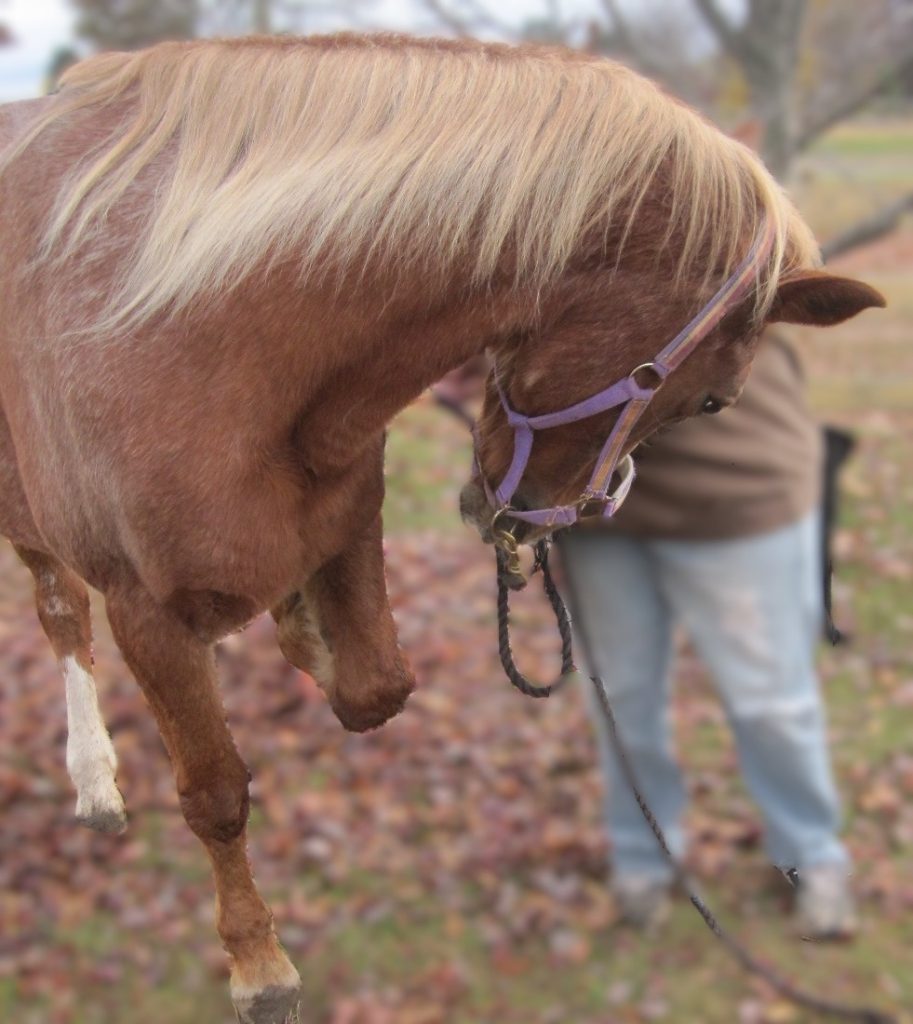
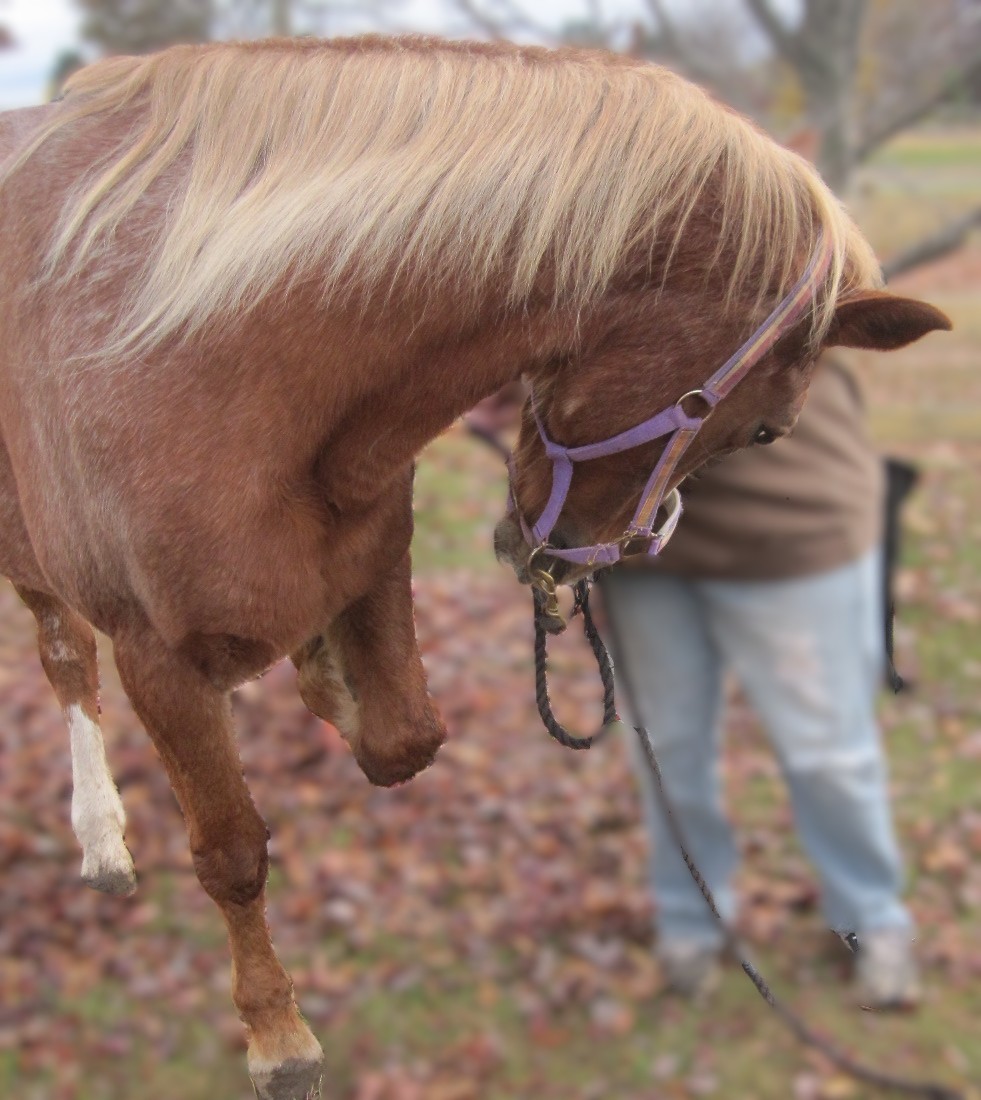
    my horse is bowing
    “My beautiful Arabian mare demonstrating true trust and body language by executing a perfect bow.”

    It begins the moment you step out into the pasture and tune into your horse’s world.

    Long before a horse pins an ear, stamps a hoof, or kicks out in frustration, they have already sent a dozen quiet, microscopic warning signals through their posture, their eyes, and their muzzle.

    Developing a deep sense of understanding horse body language is our absolute number one tool for staying safe,

    predicting tension, and building a partnership based on mutual respect.

    When you learn to read the silent conversation constantly happening inside the herd, you stop reacting to

    “bad behavior” and start responding to your horse’s real emotions like a calm, predictable leader.

    Signs in the Head and Eyes
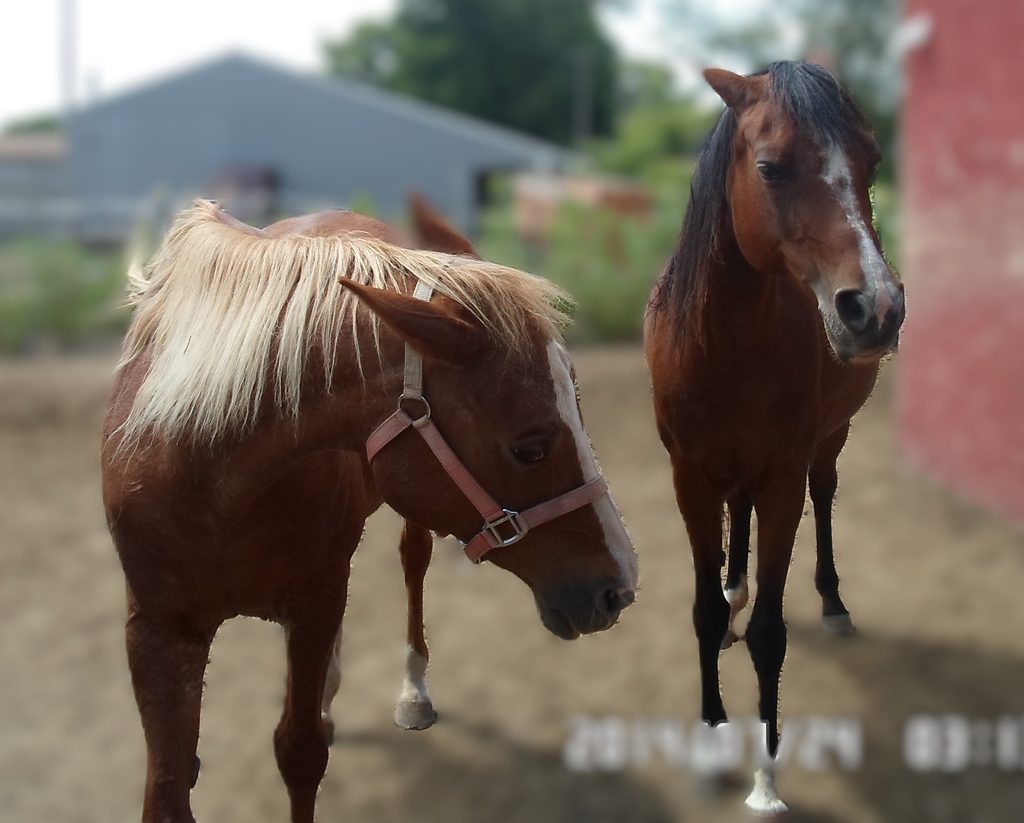
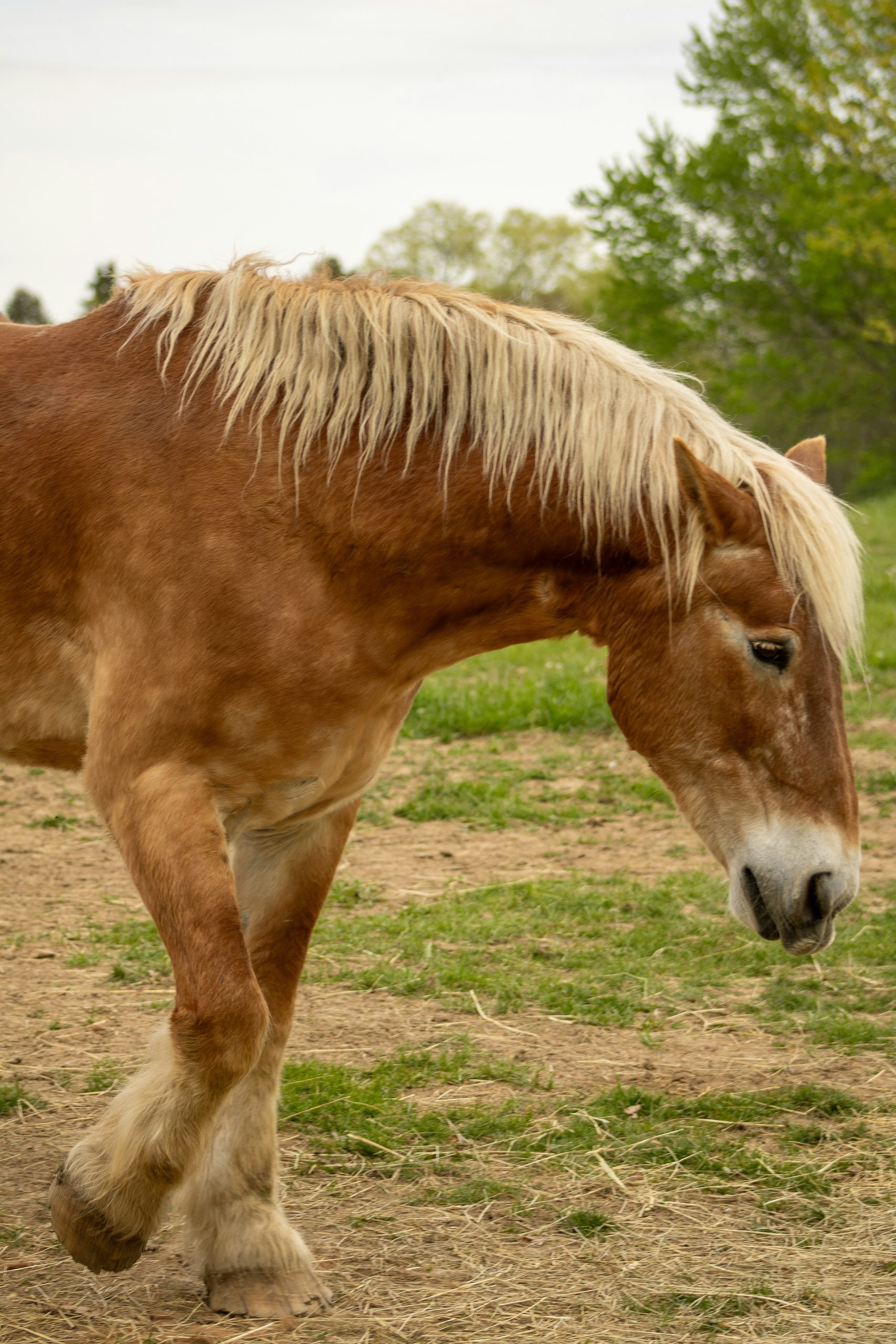
    my mare cinny and another mare zoey

    The easiest place to start reading your horse’s internal emotional weather report is right at the poll.

    A horse who is relaxed, confident, and resting will carry their neck low, level with or slightly below their withers


    But the moment anxiety, curiosity, or fear strikes, that head will shoot up into the air like a flagpole.

    Next, look closely at the eyes. A safe, listening horse has a “soft eye”—a relaxed, blinking lid with no wrinkles around the brow.

    If you step up to a horse and notice a tight, triangular wrinkle above their eyelid, or if you can see the whites of their eyes flashing, their internal alarm system is fully triggered.

    They are telling you they are overwhelmed before they ever take a single step away from you.

    The Face, Muzzle, and the Lower Lip

    We often focus so much on a horse’s tail and legs that we completely ignore what their face is trying to say.

    A horse’s muzzle is incredibly expressive if you know what to look for. When a horse is deeply processing a lesson, relaxing after a hard workout,

    or feeling completely content in the herd, their lower lip will often go soft, loose, and floppy.
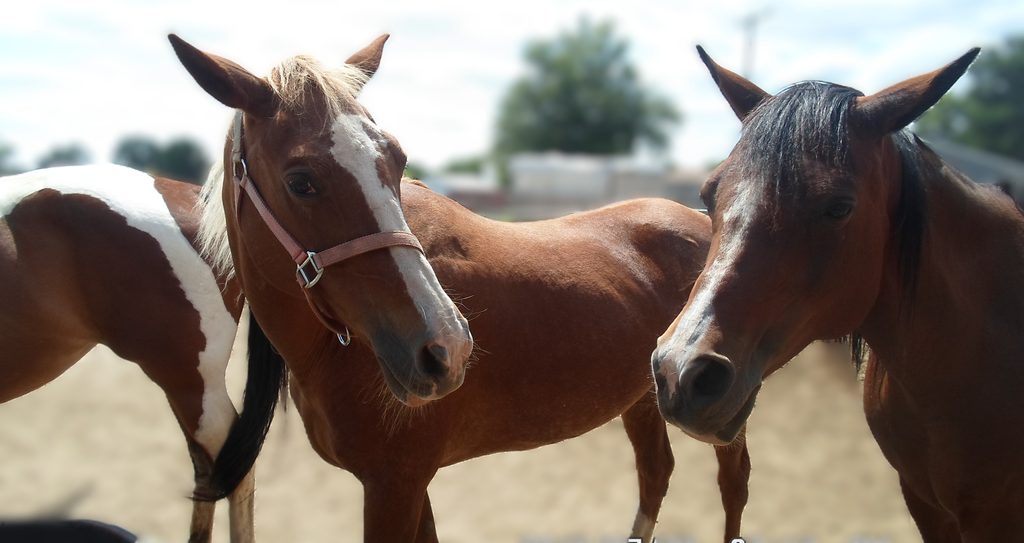
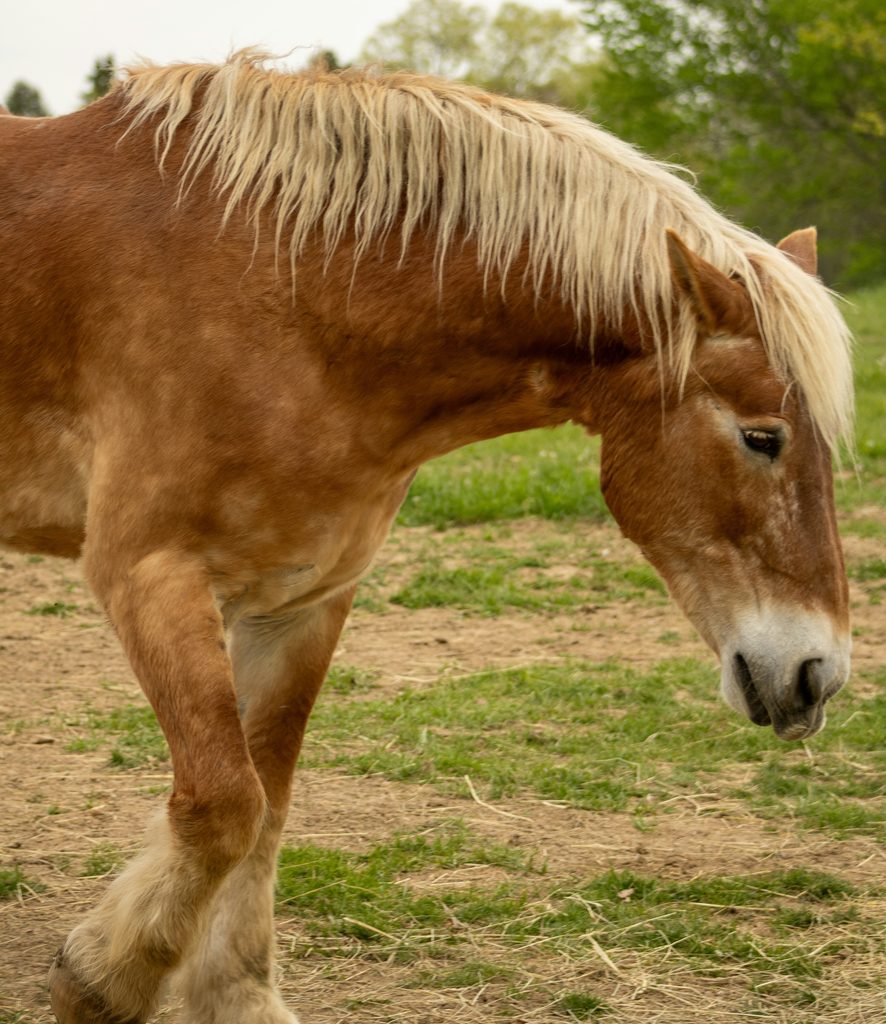
    my mare cinny in the middle

    You might even catch them licking and chewing, which is the ultimate herd sign of digestion and adrenaline dropping.

    On the flip side, a tight, pinched muzzle with drawn-back nostrils means immediate stress or physical discomfort.

    If you see a horse lock their jaw and tighten their lips into a hard, straight line, they are holding their breath and bracing their body for a fight-or-flight response.

    Herd Dynamics and the Power of a Quiet Leader

    Right now, my pasture is a quiet place because I only have one horse on the property until next spring when we plan to expand our herd again.

    But over my years in the horse world, I have watched herd dynamics play out across decades.

    My absolute greatest teacher in understanding horse body language was a beautiful Arabian mare that my husband surprised me with years ago.

    She became my absolute favorite, and she was the undisputed queen and lead boss of our herd for a very long time until we finally had to let her go at the age of 30 due to major health issues.

    What she taught me about leadership was profound. A true herd boss doesn’t run around kicking, biting, or picking fights to get respect.

    My mare could move an entire group of horses away from a pile of hay simply by taking one intentional step forward and slightly angling her shoulder toward them.
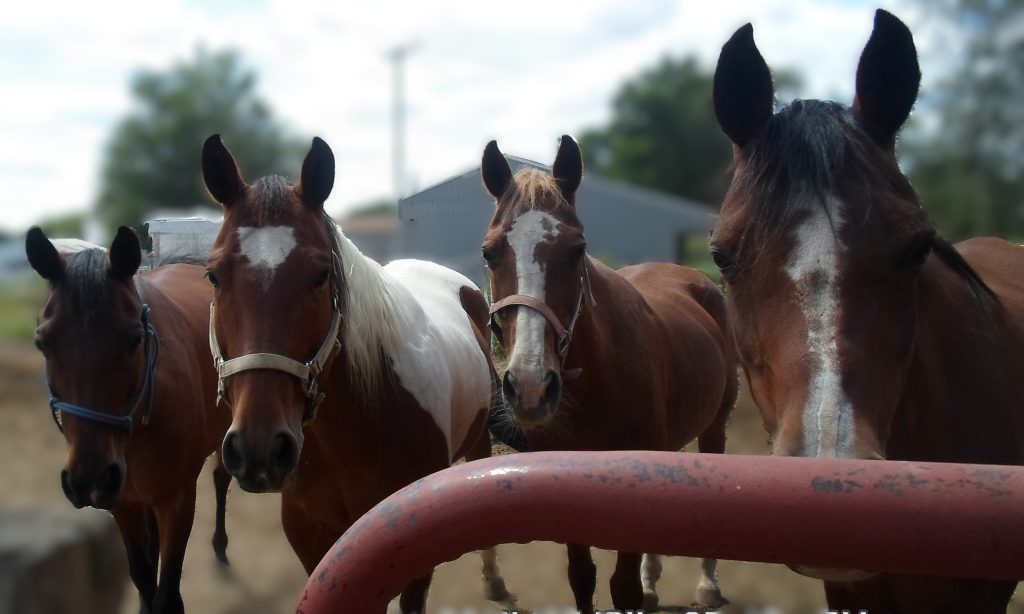
    my 4 horses

    She used nothing but a steady gaze and a shift in her posture to say, “This is my space right now.” The other horses read that tiny shift instantly and politely stepped away.

    When we watch a true alpha horse, we learn that real leadership is silent, calm, and rooted in total confidence.

    Conclusion: Bringing the Herd Rules into Your Groundwork

    When you enter the pasture or step into the round pen with your horse, remember the lessons of the silent herd.

    If you want your horse to respect your personal space bubble, you don’t need to shout or yank aggressively on the lead rope. Instead, you need to channel the quiet, clear intention of that veteran lead mare.

    By learning to read the tiny, microscopic signals your horse is throwing your way—from a tight muzzle to a soft, blinking eye—you can adjust your own body language to match.

    When you meet their tension with calm, predictable, and confident boundaries, you stop being a source of stress and officially become the trusted leader they are looking for.
  • More Than Just Dirt 🐴🧼

    More Than Just Dirt 🐴🧼

    Introduction

    Take a quick look inside your grooming tote right now. When was the last time you actually washed the tools you use on your horse every single day?

    It’s easy to let it slide, but caked-on mud, old sweat, skin flakes, and natural hair oils turn our favorite tools into a hidden breeding ground for bacteria.

    When we don’t clean horse grooming brushes regularly, we aren’t actually cleaning our horses—we are just moving old bacteria and fungal spores right back across their skin.

    Taking care of your tools isn’t just about keeping things neat; it is your horse’s first line of defense against painful skin conditions like rain rot, ringworm, and scratches.

    The Secret Weapon: The Air Hose Blowout

    Before you drop a heavily caked mud brush straight into water, you need to use a genius barn shortcut to save your muscles and your patience: the air hose.

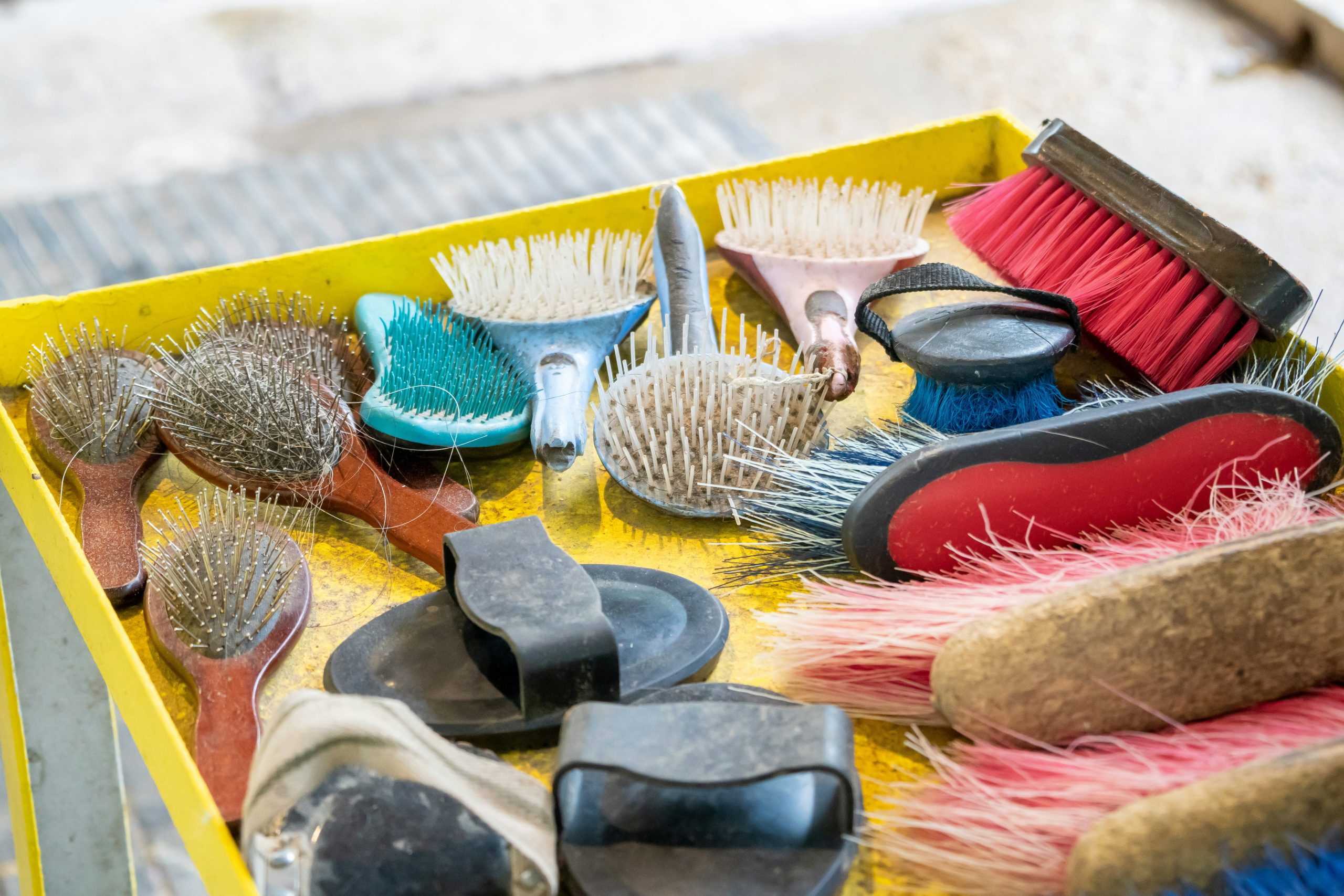
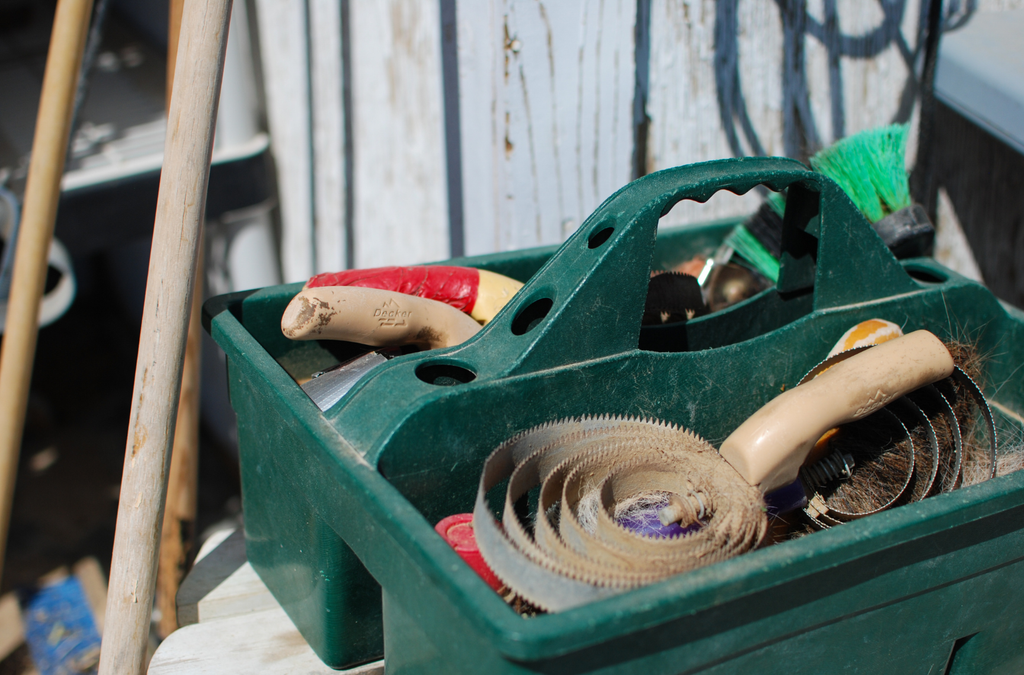
    Twice a year, when it is time to deep clean the entire grooming tote, I start by taking all my synthetic dandy brushes, hard plastic curry combs, and hoof picks over to the barn air compressor.

    Using the air hose to power-blow the embedded dust, dander, and loose hair out of the deepest parts of the bristles makes a massive difference.

    It instantly strips away the heavy debris so your cleaning water stays clean and active, instead of turning into a thick bucket of mud on step one.

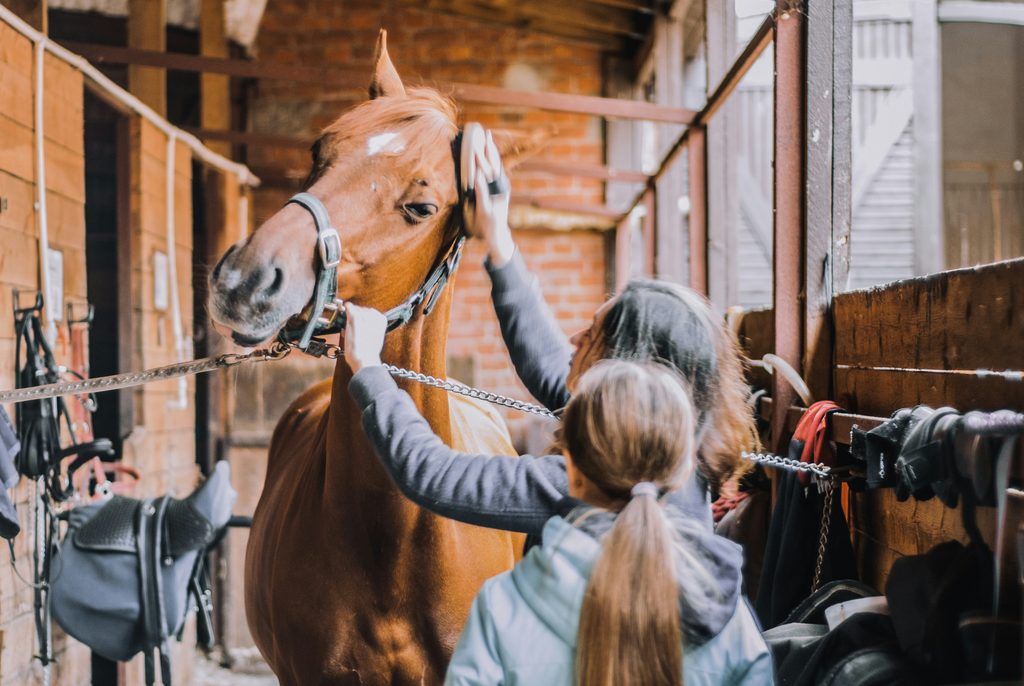
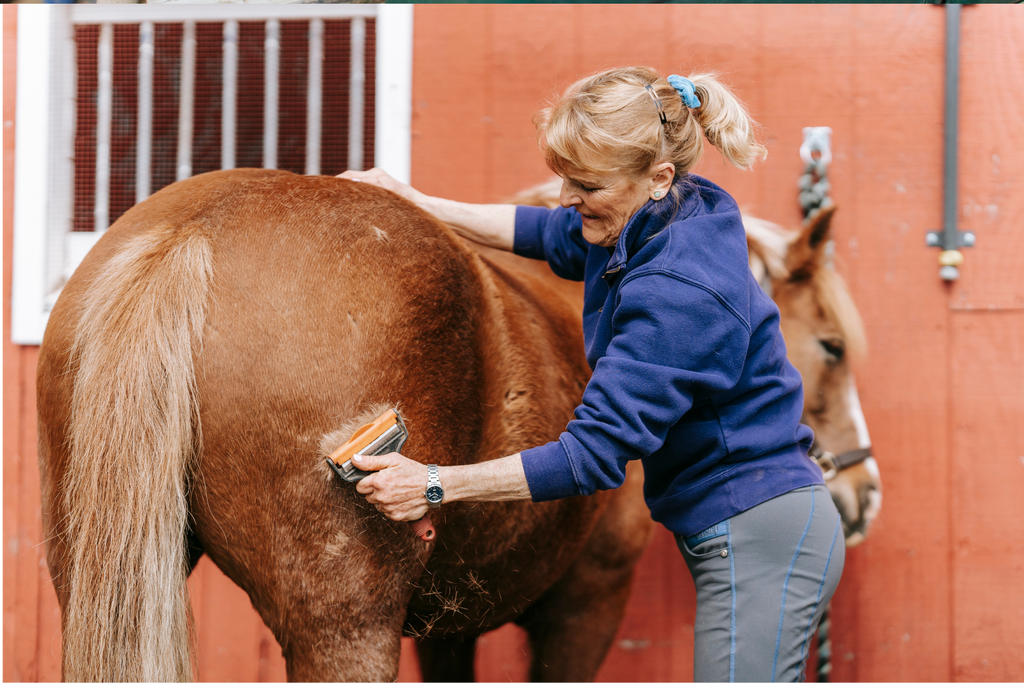
    lady brushing her horse

    The Antibacterial Soak and Detail Scrub

    Once the heavy dust is blown away, it is time for a deep antibacterial bath to kill off hidden fungal spores.

    Fill up a clean utility bucket with warm water and add a generous squirt of antibacterial dish soap.

    Submerge your plastic tools and synthetic brushes entirely, and let them sit and soak for about half an hour. This half-hour soak loosens up the stubborn grease and sweat caked onto the base of the bristles.

    After thirty minutes, pull the tools out one by one for the detailed work.

    I use a small, stiff scrub brush and a grooming comb to physically work right down into the bristles and those hard-to-reach plastic corners where mud loves to hide.

    A quick comb-through pulls out any stubborn hair strands that survived the air hose.

    The Power Rinse and Sun Cure

    To finish the job, take your scrubbed tools out to the wash rack. Use the spray nozzle on your garden hose to power-rinse away every last bit of dirty soap scum.

    Once they are completely rinsed, lay them flat on a clean towel or a warm wooden bench out in the direct sunlight to air dry.

    Direct sunlight acts as a natural sanitizer, ensuring your tools are perfectly fresh before they go back into your tote box.


    The Right Tools for the Season

    When it comes to the soap, you don’t need anything fancy or expensive. I just use a cheap off-brand dish soap, as long as it says antibacterial right on the front of the bottle.

    It gets the grease out and kills the bugs just as well as the name brands.

    Having the right brushes for the right season also makes tool care much easier.

    In the spring, when that heavy winter coat is flying, I prefer using a classic metal curry comb because its sturdy teeth do an amazing job of catching and pulling out that long, thick hair.

    But once that winter coat is completely gone, I switch over to a small rubber massaging brush (curry comb).

    It is much gentler on their sleek summer skin, brings out a beautiful shine, and is incredibly easy to blow clean with the air hose!

    For those dry, dusty days in between deep cleanings, a long-bristle brush works beautifully for a quick surface dust-off before you saddle up.


    Conclusion: A Clean Start for a Healthy Coat

    Committing to this deep cleaning routine just twice a year will completely transform the health of your horse’s coat.

    When your tools are clean, your grooming sessions actually do their job—bringing out those beautiful,

    natural skin oils and creating a brilliant shine without spreading hidden pasture fungus.

    Take an hour this weekend to blow out the dust, soak those bristles,

    and give your horse the clean start they deserve. Your horse’s skin—and your grooming tote—will thank you!


  • The Smart Horse Owner’s Guide to Winter Turnouts:

    The Smart Horse Owner’s Guide to Winter Turnouts:

    Buying for Quality, Not the Brand Name

    Fall is officially here, the winter coats are coming in, and if you’re like me, you’re currently staring at your herd wondering if last year’s blankets are going to survive another season.

    Finding the right winter blanket can be an absolute headache. There are thousands of options out there, and the price tags can range from under fifty bucks to several hundred dollars.

    100 dollar bill and a 20 dollar bill

    It is easy to get overwhelmed and think you have to spend a fortune on a luxury brand just to keep your horse safe.

    But here is the truth: it is not always about the highest price to get the best protection.

    When you are searching for winter gear, your goal should be to find a price that fits your budget,

    while keeping in mind that sometimes you have to invest a little more to get the exact quality your individual horse needs—not just a top-notch brand name to brag about with your friends at the barn.

    The secret to smart blanket shopping isn’t looking at a logo. It’s checking the poly-fill, ensuring the outer shell is truly waterproof, reading honest customer reviews,

    and making sure the seller stands firmly behind their product.

    Your priority should always be the ultimate comfort and health of your horse through a hard winter, not just the name on the side of the blanket.

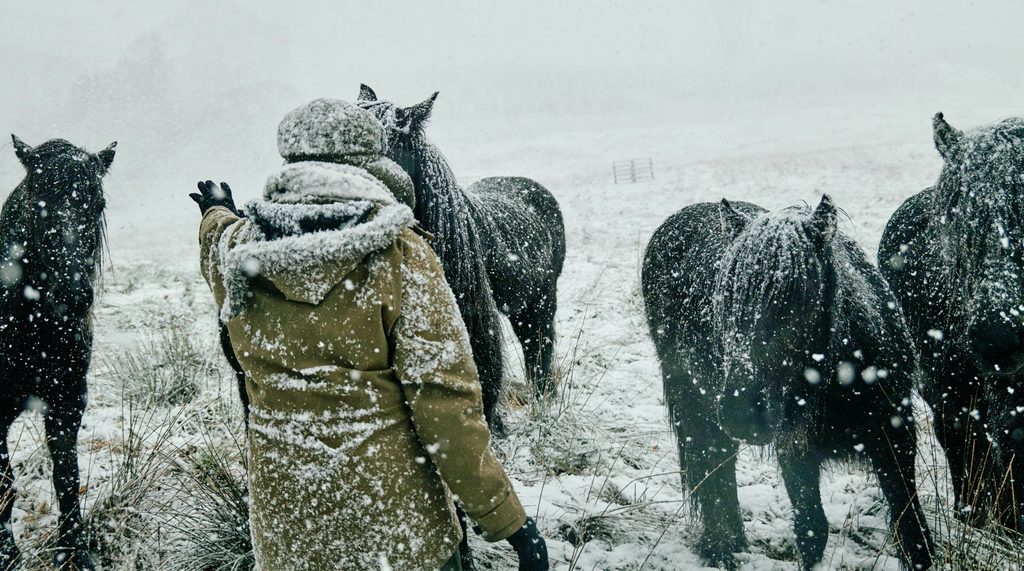
    horses in the snow fall

    We had to bite the bullet and buy a brand-new blanket for our own horse this month, and we put this exact philosophy to the test. Here is what we chose and why…


    When it came time to replace our winter blanket, we didn’t just go out and buy the most expensive, top-notch brand name on the market just to have a logo to brag about with friends.

    In the horse world, a high price tag doesn’t automatically mean it’s the right choice for your individual animal.

    Instead, we focused strictly on finding a blanket where the price matched our real budget, but still packed the high-quality features our horse actually needs to survive a harsh winter.

    That search led us right back to Hilason Custom Saddles & Horse Gear, a brand that has been designing heavy-duty equestrian equipment since 1995.

    Here is exactly why this blanket won our vote over the big-name luxury brands:

    • Real Heavy-Duty Protection (1200 Denier): We checked the specs and reviews to make sure it could handle pasture life.
    • Hilason turnouts feature a 1200D rip-stop outer shell, which means it won’t easily shred if your horse rubs against a fence or plays a little too rough with pasture mates.
    • The Right Poly-Fill Warmth: Instead of guessing, we looked closely at the insulation. We opted for their Heavyweight 400g Poly-Fill insulation.
    • It acts like a premium down comforter, trapping body heat efficiently even when the temperature drops well below freezing.
    • Excellent Belly & Underline Protection: Most budget blankets leave the horse’s underside completely exposed to freezing wind and mud.
    • This blanket includes a wrap-around belly system that seals out drafts from underneath, keeping their core temperature steady.
    • Waterproof & Breathable Guarantee: A blanket is useless if it leaks or traps sweat.
    • Hilason designs these to be 100% waterproof to shed heavy rain and melting snow, while remaining breathable so your horse doesn’t overheat on milder winter days.

    Our Final Take: Don’t just shop by your budget, and don’t just shop by a trendy brand name.

    Read the reviews, check the poly-fill weight, ensure it’s truly waterproof,

    and make the best choice for the comfort and health of your horse. For us, Hilason delivered premium protection without the premium price tag.

  • The Space Bubble

    The Space Bubble

    Introduction

    A pushy horse who steps into your personal space bubble isn’t just annoying; it is a major safety hazard.

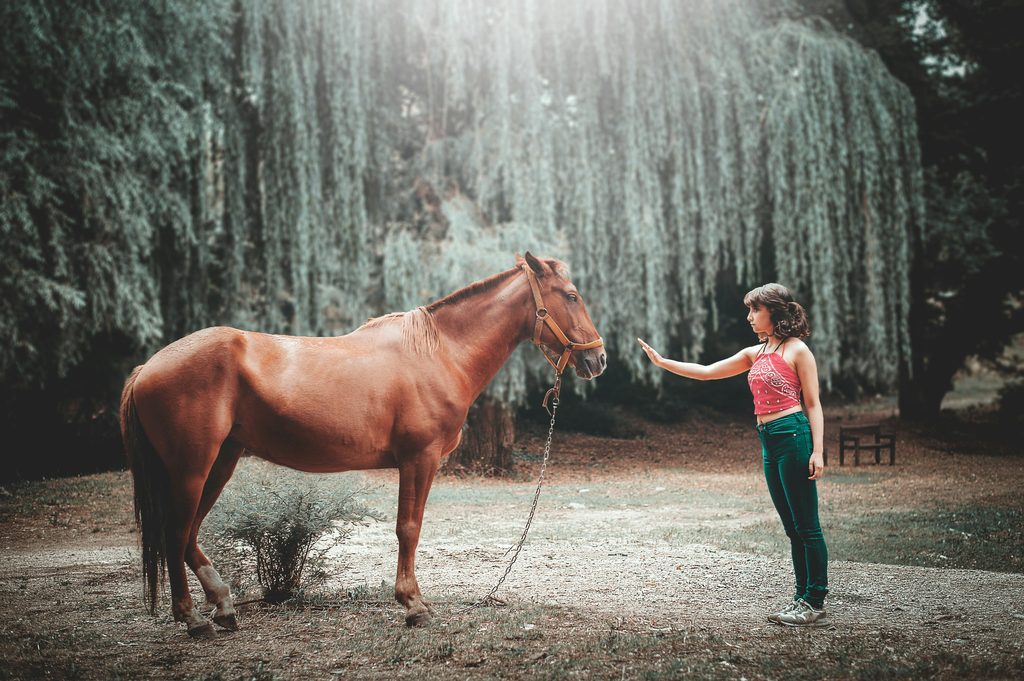
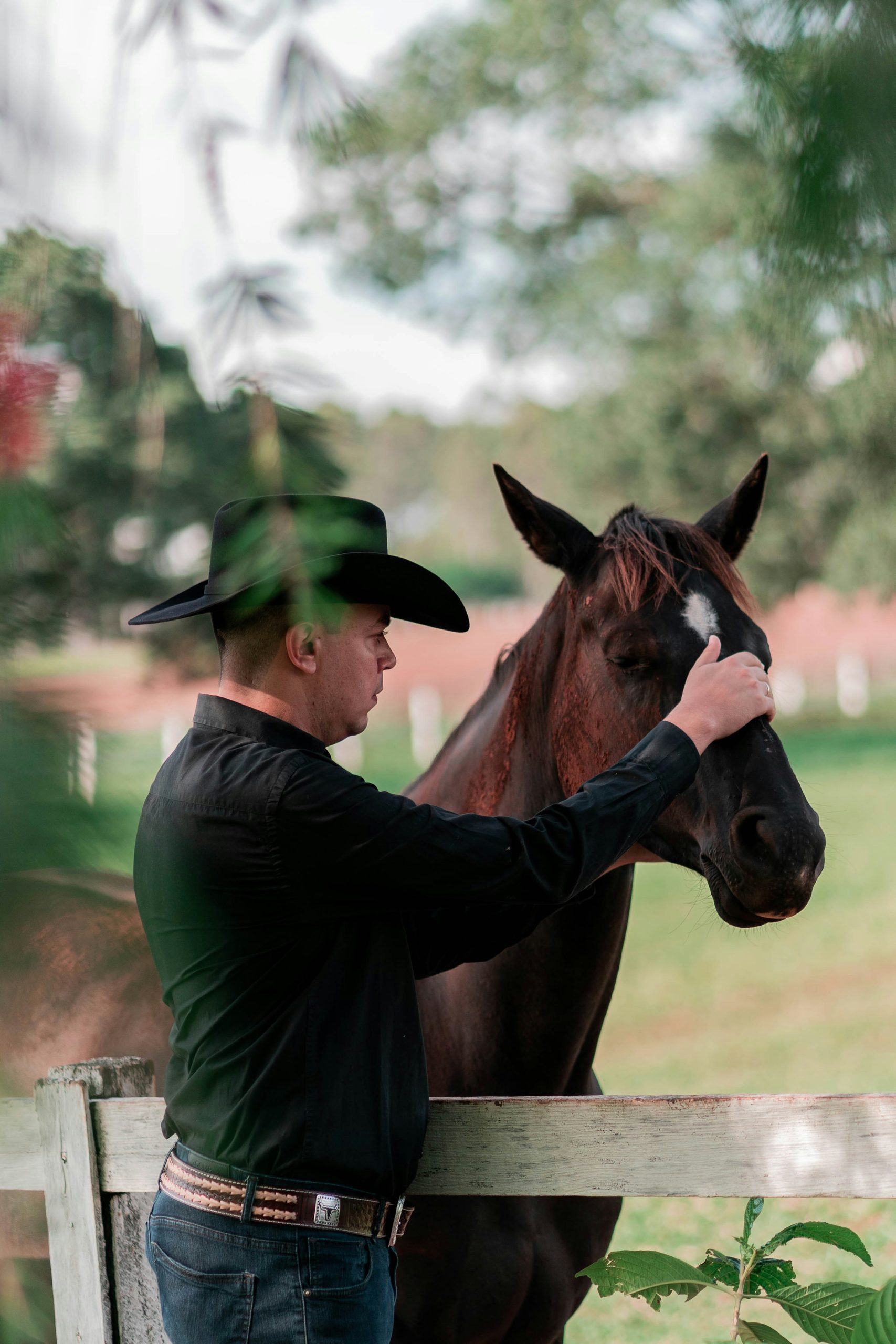
    horse respect groundwork

    Establishing these clear limits doesn’t mean you are being mean or heavy-handed—it means you are becoming the calm, predictable, trustworthy leader your horse truly needs to feel safe.

    The Danger of the “Bottle Baby”: A Lesson in Horse Manners

    My deepest understanding of boundaries came from one of our biggest heartbreaks—and one of our greatest training mistakes.

    Several years ago, we had a foal whose mother tragically died just a few hours after he was born. From that first day on, he was nurtured entirely by us with a bottle.

    Because we loved him and felt so sorry for his loss, we babied him. He spent his early months being coddled, completely separated from the natural rules of herd etiquette.

    As he grew older and stronger, we realized the massive mistake we had made.

    Because he had been babied instead of being shown right from the beginning that we were the lead bosses, he grew up thinking we were just other horses that he could boss around.

    When Pushiness Turns Dangerous

    Without a mother mare to teach him where his space ended and ours began, our sweet bottle baby became a real problem.

    His pushiness escalated into dangerous dominance behaviors.

    He would aggressively bite, throw his front feet out to strike at us, and snatch objects straight out of our hands before taking off running across the paddock.

    We quickly learned that rewriting this behavior meant stepping up to become the definitive leader.

    In the beginning, we had to be a lot more firm and harsh with him than we ever would with a standard horse. He did not want to listen, and he fought hard to keep his position as the boss.


    The Cost of a Broken Boundary: A Heartbreaking Reality

    The hard truth of this story doesn’t have a textbook Hollywood ending. After seven years of fighting to build a foundation of trust, he never truly got easier.

    We had him gelded when he turned three years old, hoping the drop in hormones would soften his dominant edge, but it didn’t help him at all.

    He remained an incredibly difficult, unpredictable, and dangerous horse to handle.

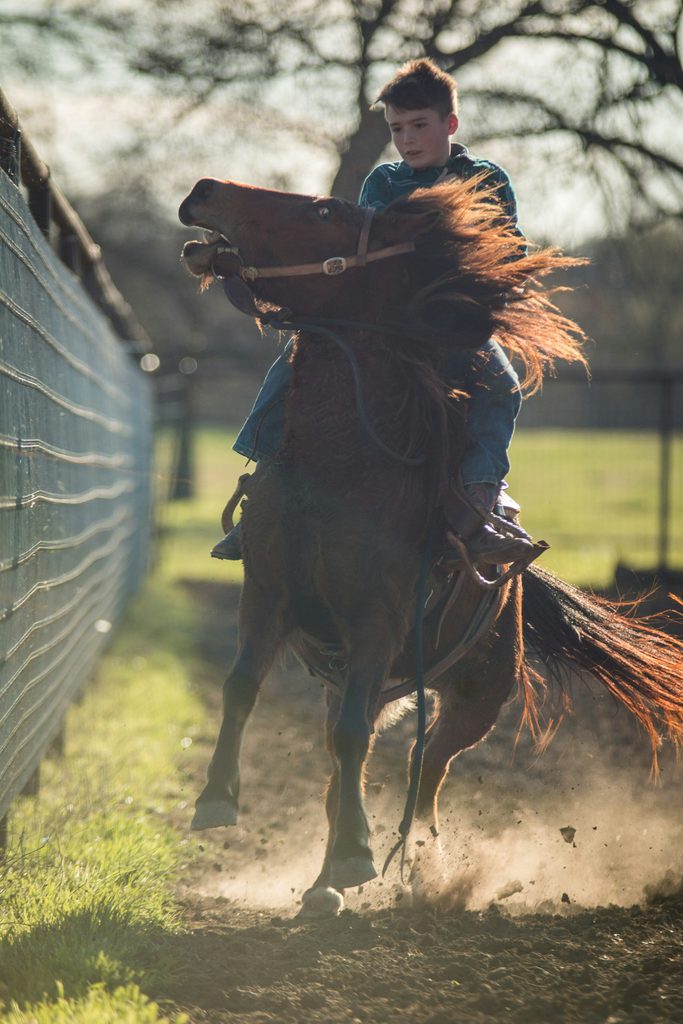
    horse raring up with boy riding

    Ultimately, for the safety of everyone at our barn, I had no choice but to sell him.

    The heartbreak didn’t stop there. The lady who bought him couldn’t make any gains with his boundaries either, so she sold him to another home.

    There, his lack of respect escalated until he tackled the family dog, causing them to sell him back to the previous owner.

    She eventually passed him along to another buyer, and since then, we have completely lost contact with him.

    I often look back and feel a heavy weight of responsibility for how his life turned out. I find myself wishing so deeply that I had known back then what I know now about essential groundwork and herd leadership.

    If I had possessed the tools and the confidence I have today, I might have been able to establish the boundaries he needed to stay safe, and I might have been able to keep him.

    But carrying that guilt doesn’t change the past.

    Instead, it fuels my passion for Equine And Country Horizons today. I share this deeply personal failure because I want to protect you, your family, and your horses from going down this exact same road.

    Boundaries aren’t a luxury—they are a life-saving necessity.

    Conclusion: Start at the Shoulder

    If you have a young or pushy horse who is starting to nudge your space, do not wait for the behavior to turn dangerous. Start enforcing your space bubble today.

    When you lead your horse, never stand directly in front of them where they can run you down. Keep your body firmly aligned with their shoulder, casual and casual.

    If they lean into your space, use your fingers to firmly tap their side until they step away.

    If they crowd you at a halt, use a clear visual hand cue and a rhythmic wiggle of the lead rope to back them up out of your bubble entirely.

    Enforcing these boundaries isn’t mean; it is the highest form of love and safety you can offer your horse.

  • The First 5 Minutes:

    The First 5 Minutes:

    Setting the Tone for Respect at the Pasture Gate

    Introduction

    A great trail ride, a successful training session, or a productive afternoon in the arena doesn’t actually begin when you step into the saddle.

    It begins the exact split second your horse catches sight of you in the morning.

    The habits you practice during these very first interactions set the entire tone for respect, safety, and focus for the rest of the day.

    True partnership isn’t a switch you flip on when it’s time to work; it is built through essential horse groundwork that starts right at the pasture gate.

    The Morning Greeting: Building Trust Before the Halter

    For many of us, the morning starts with a chorus of whinnies at the fence line as our horses eagerly watch for breakfast.

    It can be tempting to rush through the gate to dump the feed, but this greeting is actually your first opportunity to establish connection.

    When my horses see me, I always speak to them in an upbeat, calm tone. Before food is ever delivered, take a moment to walk up, gently rub their foreheads, and simply step away.

    By occasionally offering a treat, talking softly, and walking away without immediately putting them to work, you teach your horse to value your presence—not just your feed bucket.

    Because of this intentional consistency, my horses always come running dynamically whenever I call their names.

    Gate Safety: The Push-Forward Rule

    When it is time to halter up and lead your horse out of the paddock, safety must come first.

    One of the most critical habits you can practice happens before you ever take a step through the fence: always push your pasture gate forward in front of you.

    Never open a gate outward toward yourself.

    Pulling a gate open creates an instant escape route for an eager horse, giving them the perfect opportunity to rush past you, crowd your space, or potentially push you down.

    By pushing the gate forward away from your body, you use the physical gate itself as a protective shield, keeping a firm boundary between you and the horse until they politely pause and wait for your command to step through.


    Haltering with Intention: Keep Your Balance, Keep Your Safety

    Once you are inside the paddock, the next critical test of respect happens during the haltering process.

    I always require my horses to lower their heads completely before attempting to slide the halter on.

    Reaching up high to force a halter over a horse that has its head flung in the air is a recipe for disaster.

    Standing on your tiptoes makes it incredibly easy to lose your balance.

    Furthermore, if the horse suddenly gets spooked and takes off running while you are reaching up, you risk getting your hand tangled in the straps and dragged.

    Teach your horse to yield and lower their head gracefully—it keeps your feet planted safely on the ground.

    The Golden Rule of the Lead Rope

    Once the halter is secured, your gate should always be closed while you clip on your lead.

    As you prepare to move, remember the most important rule of handling any horse:
    never, under any circumstances, wrap a lead rope around your hand.

    It can be tempting to loop the rope for a tighter grip, but you are setting yourself up for a major injury.

    If that horse gets startled and bolts, that looped rope will instantly tighten like a lasso around your hand, trapping you and pulling you violently behind them.

    Instead, fold the excess rope neatly in your non-leading hand so it can easily slip free if an emergency happens.

    Leading Through the Gate: Shoulder to Shoulder

    When it is finally time to step out of the pasture, remember that you are the leader.

    Never stand directly in front of your horse to pull them forward. Instead, make your horse stand politely right beside you—your body should align with their shoulder.

    Walk casually through the open space together.

    If you have other horses out in the pasture trying to crowd the exit.

    Loop yourself and your horse around in a tight circle to face the gateso .

    You can then safely shut and latch the gate behind you before walking away.

    Maintaining Your Boundaries On the Move

    Even after you have successfully cleared the gate, the lesson in respect continues.

    If your horse starts to crowd your personal space or walks too close to you.

    Do not yell or pull aggressively on the rope. Simply take your fingers and firmly tap them against the horse’s side.

    This quick, rhythmic pressure acts as a physical boundary.

    Reminding them to respect your space, step over, and continue walking casually by your side.

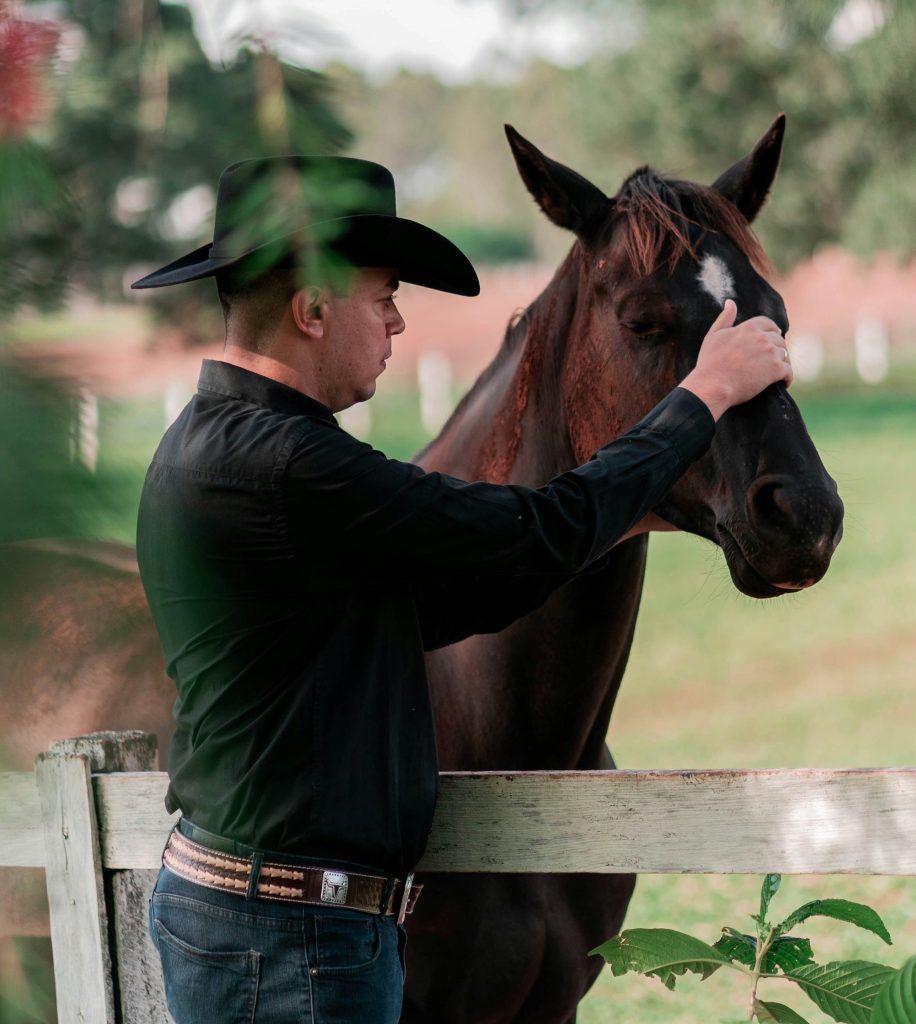
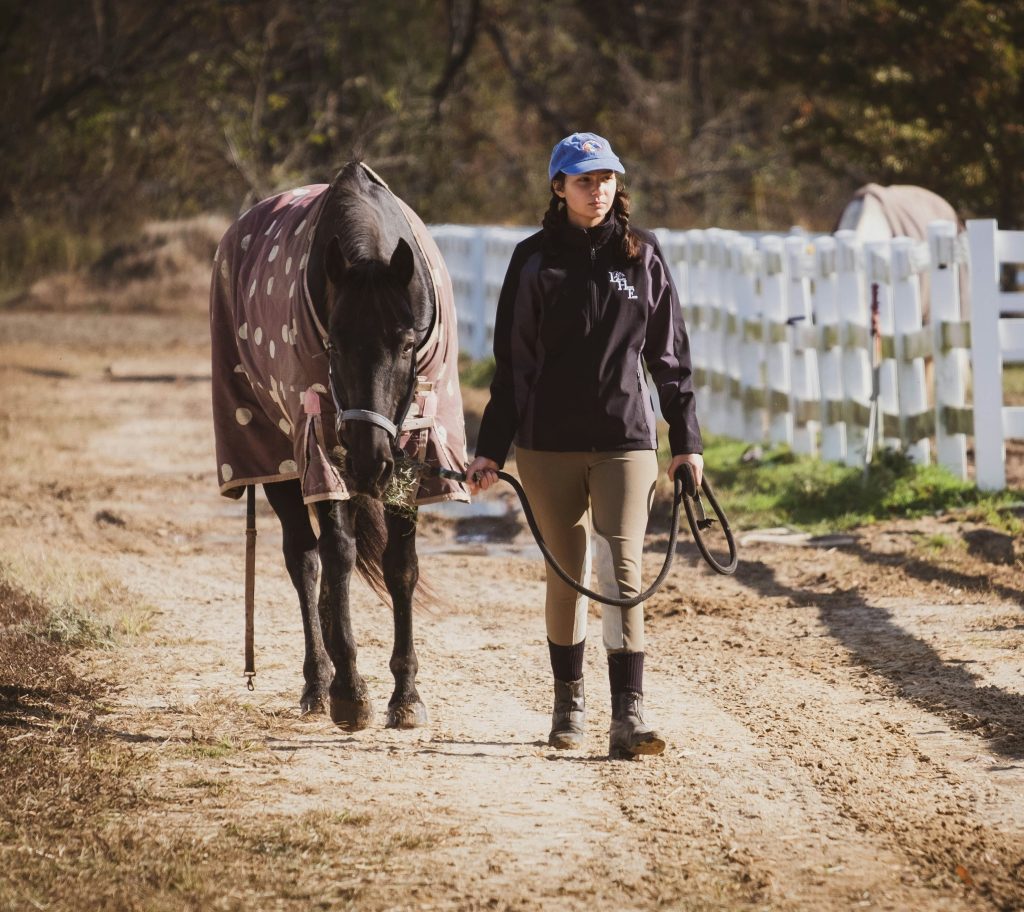
    casual walking a horse

    Conclusion

    Setting boundaries doesn’t require shouting or heavy-handed training tools.

    It is built through these exact, intentional moments before your workout even begins.

    By mastering the first five minutes at the gate, you build a foundation of safety and mutual respect.

    That carries over into every single trail ride and training session on the horizon.


  • The Groundwork Bluprint:

    The Groundwork Bluprint:

    3 Ways to Build Deep Trust with a New Horse


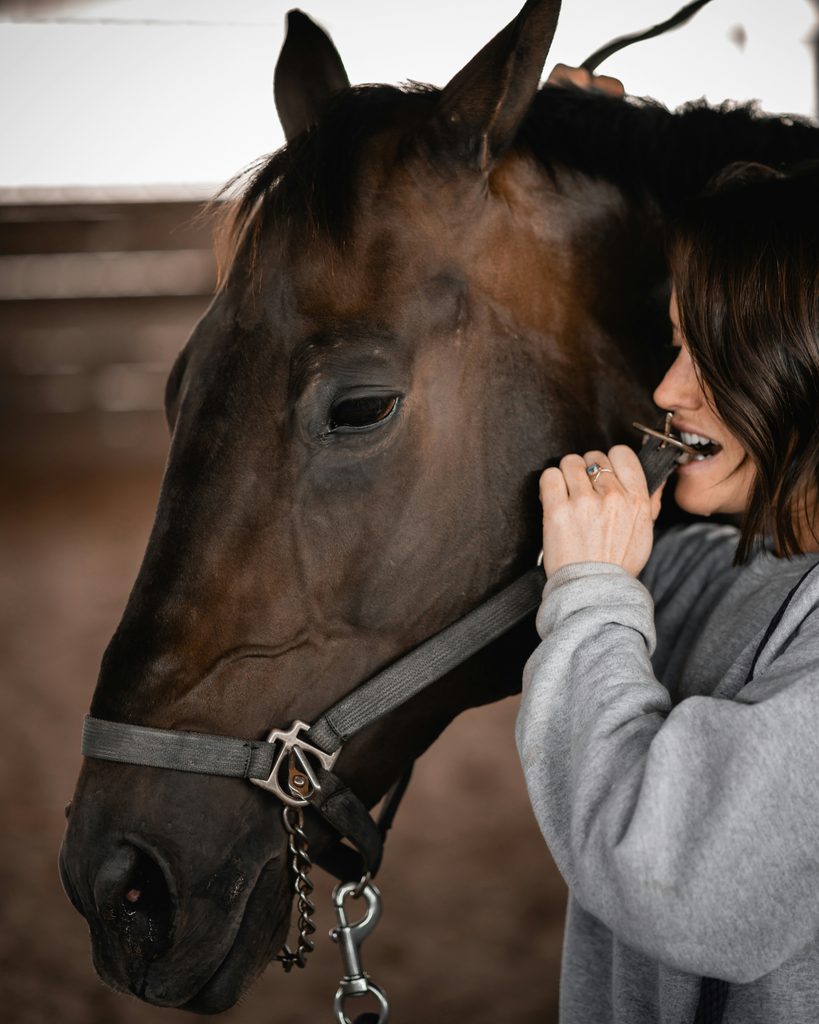
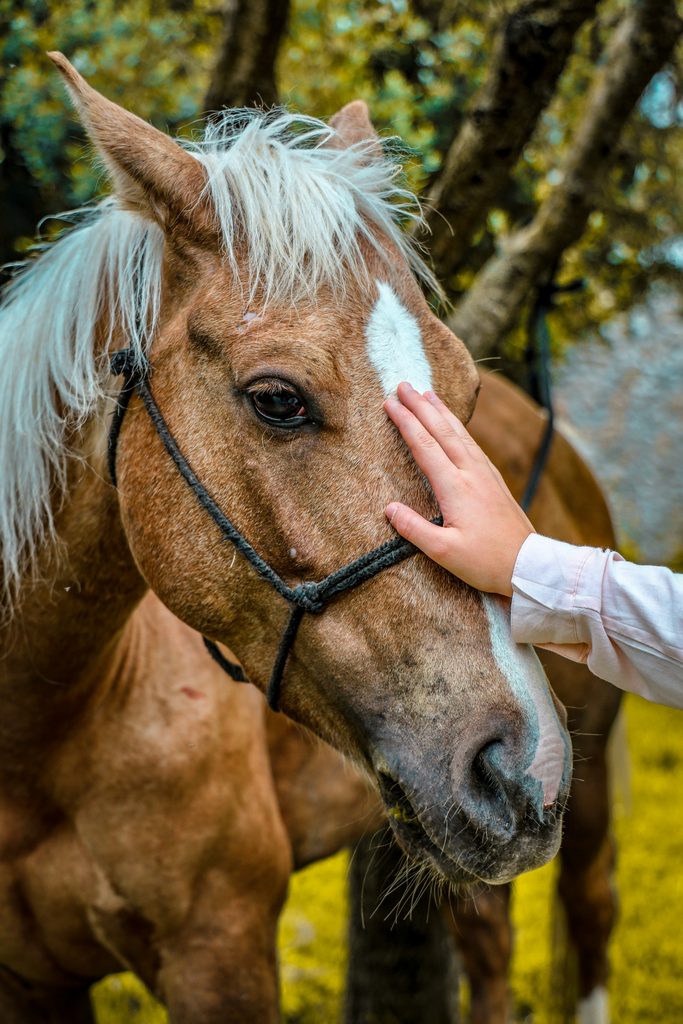
    horse bonding tips


  • Welcome to the Horizon:                  Where Our Journey Begins

    Welcome to the Horizon: Where Our Journey Begins

    Welcome to our very first post here at Equine And Country Horizons!

    We are thrilled to officially open our digital doors to a community built around the country lifestyle, rural traditions, and the beautiful, timeless bond between horse and rider.

    For us, the word “horizon” isn’t just a distant line in the sky—it represents endless possibility, constant self-improvement, as well as improvement for our horses and the bigger opportunities are waiting for us just down the trail.

    Equestrian Insights: Practical training tips, horse care advice, and reflections on building a true partnership with your horse.

    Thank you for stepping onto the trail with us.

    We are incredibly excited for what lies ahead, and we look forward to riding together toward bright new horizons.