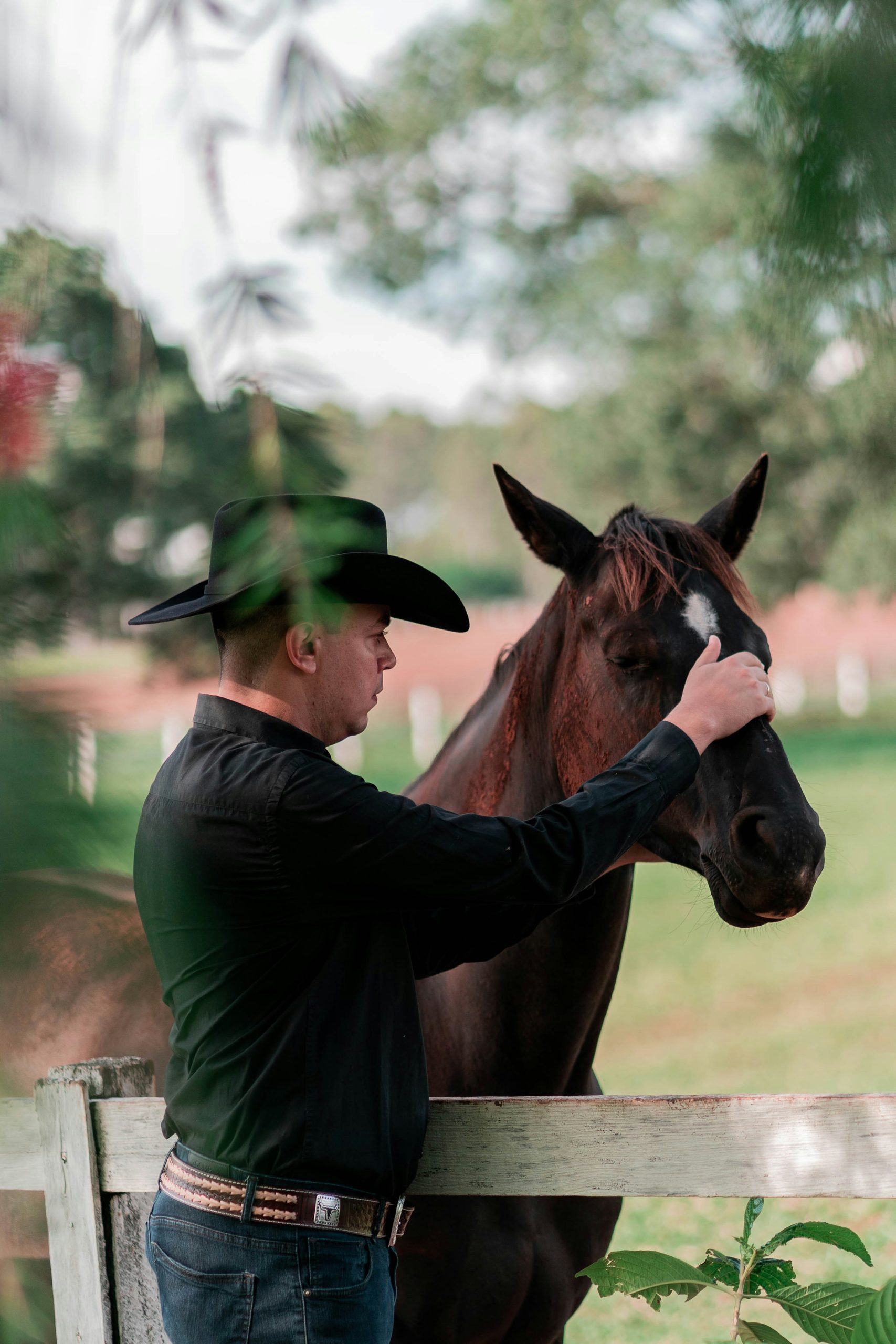
Setting the Tone for Respect at the Pasture Gate
Introduction
A great trail ride, a successful training session, or a productive afternoon in the arena doesn’t actually begin when you step into the saddle.
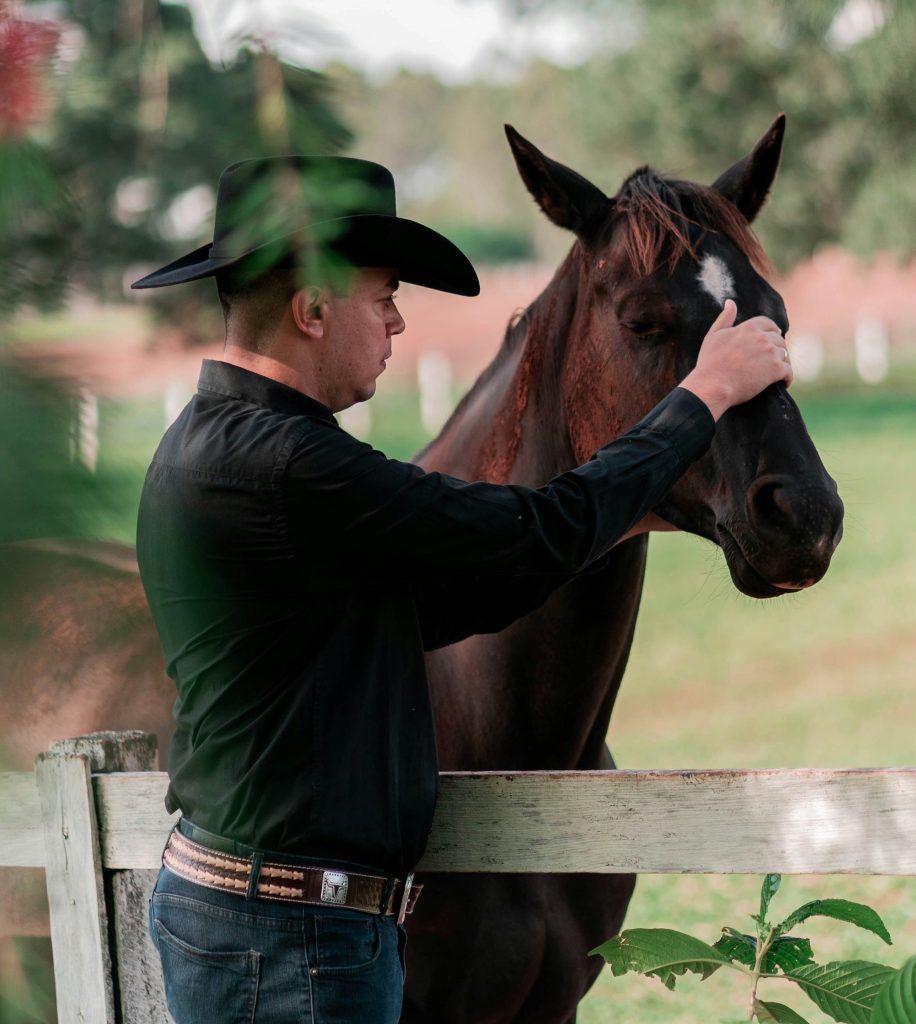
It begins the exact split second your horse catches sight of you in the morning.
The habits you practice during these very first interactions set the entire tone for respect, safety, and focus for the rest of the day.
True partnership isn’t a switch you flip on when it’s time to work; it is built through essential horse groundwork that starts right at the pasture gate.
The Morning Greeting: Building Trust Before the Halter
For many of us, the morning starts with a chorus of whinnies at the fence line as our horses eagerly watch for breakfast.
It can be tempting to rush through the gate to dump the feed, but this greeting is actually your first opportunity to establish connection.
When my horses see me, I always speak to them in an upbeat, calm tone. Before food is ever delivered, take a moment to walk up, gently rub their foreheads, and simply step away.
By occasionally offering a treat, talking softly, and walking away without immediately putting them to work, you teach your horse to value your presence—not just your feed bucket.
Because of this intentional consistency, my horses always come running dynamically whenever I call their names.
Gate Safety: The Push-Forward Rule
When it is time to halter up and lead your horse out of the paddock, safety must come first.
One of the most critical habits you can practice happens before you ever take a step through the fence: always push your pasture gate forward in front of you.
Never open a gate outward toward yourself.
Pulling a gate open creates an instant escape route for an eager horse, giving them the perfect opportunity to rush past you, crowd your space, or potentially push you down.
By pushing the gate forward away from your body, you use the physical gate itself as a protective shield, keeping a firm boundary between you and the horse until they politely pause and wait for your command to step through.
Haltering with Intention: Keep Your Balance, Keep Your Safety
Once you are inside the paddock, the next critical test of respect happens during the haltering process.
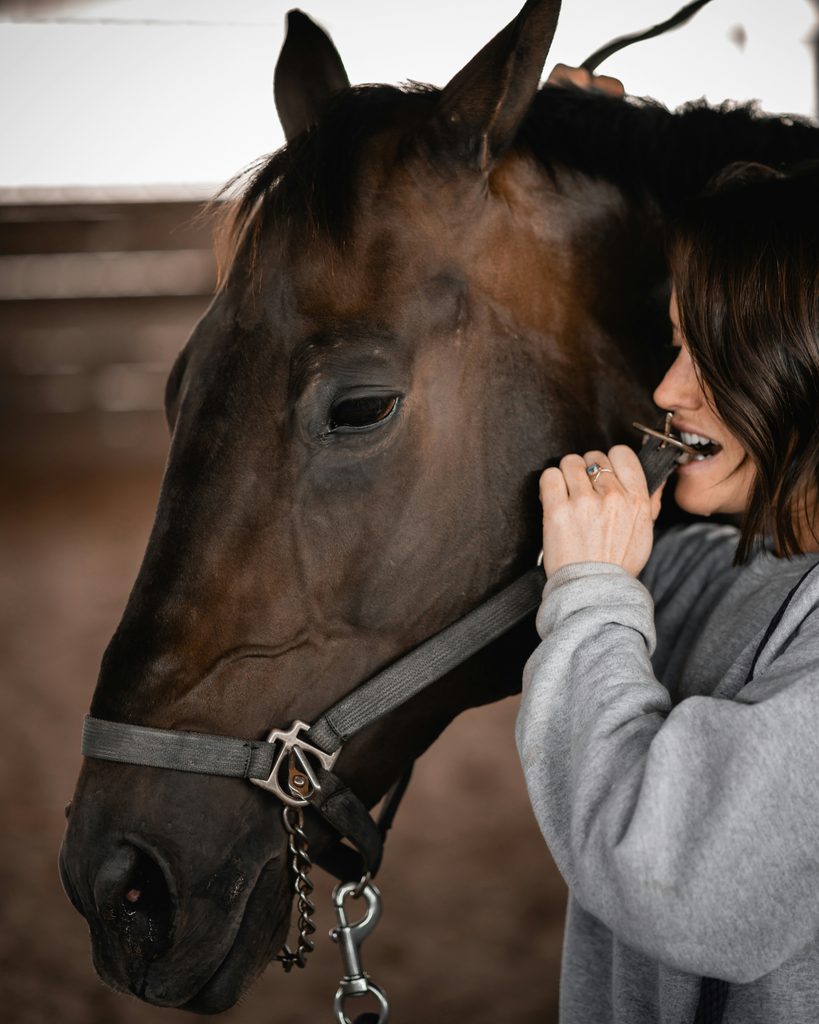
I always require my horses to lower their heads completely before attempting to slide the halter on.
Reaching up high to force a halter over a horse that has its head flung in the air is a recipe for disaster.
Standing on your tiptoes makes it incredibly easy to lose your balance.
Furthermore, if the horse suddenly gets spooked and takes off running while you are reaching up, you risk getting your hand tangled in the straps and dragged.
Teach your horse to yield and lower their head gracefully—it keeps your feet planted safely on the ground.
The Golden Rule of the Lead Rope
Once the halter is secured, your gate should always be closed while you clip on your lead.
As you prepare to move, remember the most important rule of handling any horse:
never, under any circumstances, wrap a lead rope around your hand.
It can be tempting to loop the rope for a tighter grip, but you are setting yourself up for a major injury.
If that horse gets startled and bolts, that looped rope will instantly tighten like a lasso around your hand, trapping you and pulling you violently behind them.
Instead, fold the excess rope neatly in your non-leading hand so it can easily slip free if an emergency happens.
Leading Through the Gate: Shoulder to Shoulder
When it is finally time to step out of the pasture, remember that you are the leader.
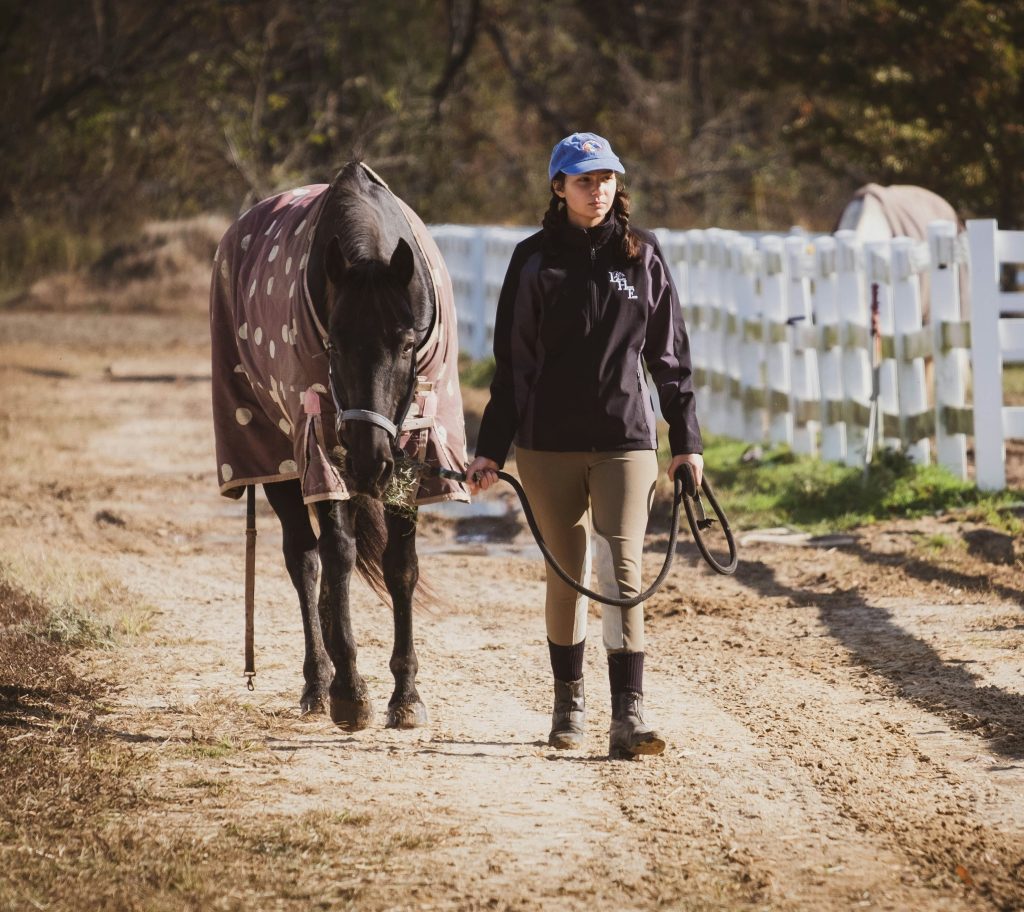
Never stand directly in front of your horse to pull them forward. Instead, make your horse stand politely right beside you—your body should align with their shoulder.
Make them pause and wait at the shoulder until you give the verbal command to move.
Walk casually through the open space together.
If you have other horses out in the pasture trying to crowd the exit.
Loop yourself and your horse around in a tight circle to face the gateso .
You can then safely shut and latch the gate behind you before walking away.
Maintaining Your Boundaries On the Move
Even after you have successfully cleared the gate, the lesson in respect continues.
If your horse starts to crowd your personal space or walks too close to you.
Do not yell or pull aggressively on the rope. Simply take your fingers and firmly tap them against the horse’s side.
This quick, rhythmic pressure acts as a physical boundary.
Reminding them to respect your space, step over, and continue walking casually by your side.
Conclusion
Setting boundaries doesn’t require shouting or heavy-handed training tools.
It is built through these exact, intentional moments before your workout even begins.
By mastering the first five minutes at the gate, you build a foundation of safety and mutual respect.
That carries over into every single trail ride and training session on the horizon.
Leave a Reply