Introduction
A pushy horse who steps into your personal space bubble isn’t just annoying; it is a major safety hazard.
When a thousand-pound animal decides they can crowd your shoulders, walk over your heels, or barge past your space, the partnership is broken from the ground up.
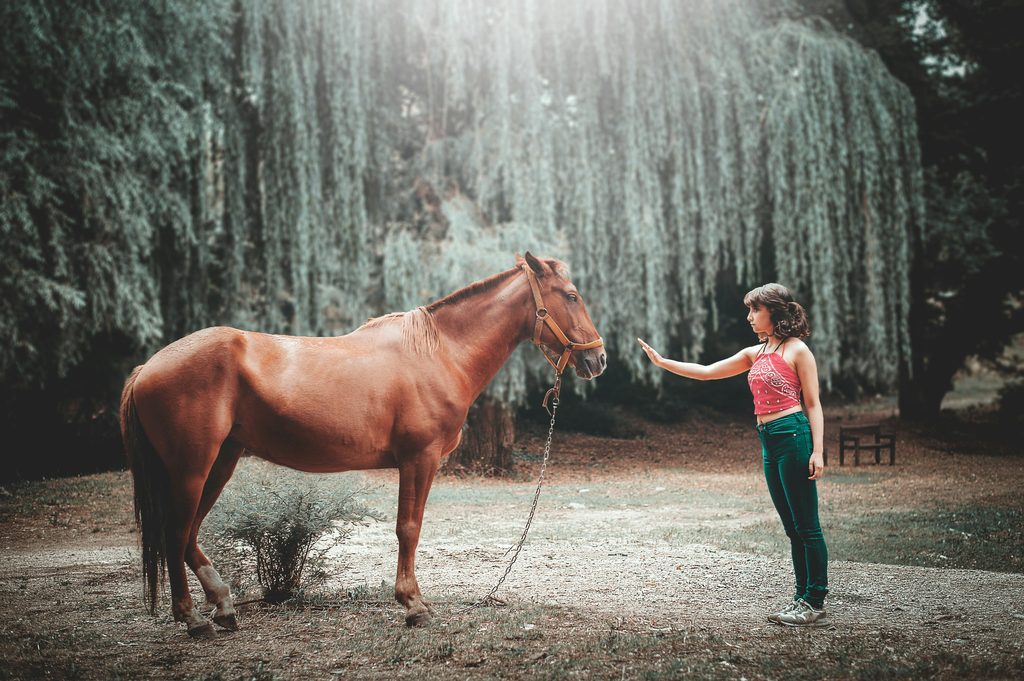
True safety and trust are built entirely on horse respect and boundaries.
Establishing these clear limits doesn’t mean you are being mean or heavy-handed—it means you are becoming the calm, predictable, trustworthy leader your horse truly needs to feel safe.
The Danger of the “Bottle Baby”: A Lesson in Horse Manners
My deepest understanding of boundaries came from one of our biggest heartbreaks—and one of our greatest training mistakes.
Several years ago, we had a foal whose mother tragically died just a few hours after he was born. From that first day on, he was nurtured entirely by us with a bottle.
Because we loved him and felt so sorry for his loss, we babied him. He spent his early months being coddled, completely separated from the natural rules of herd etiquette.
As he grew older and stronger, we realized the massive mistake we had made.
Because he had been babied instead of being shown right from the beginning that we were the lead bosses, he grew up thinking we were just other horses that he could boss around.
When Pushiness Turns Dangerous
Without a mother mare to teach him where his space ended and ours began, our sweet bottle baby became a real problem.

His pushiness escalated into dangerous dominance behaviors.
He would aggressively bite, throw his front feet out to strike at us, and snatch objects straight out of our hands before taking off running across the paddock.
We quickly learned that rewriting this behavior meant stepping up to become the definitive leader.
In the beginning, we had to be a lot more firm and harsh with him than we ever would with a standard horse. He did not want to listen, and he fought hard to keep his position as the boss.
The Cost of a Broken Boundary: A Heartbreaking Reality
The hard truth of this story doesn’t have a textbook Hollywood ending. After seven years of fighting to build a foundation of trust, he never truly got easier.
We had him gelded when he turned three years old, hoping the drop in hormones would soften his dominant edge, but it didn’t help him at all.
He remained an incredibly difficult, unpredictable, and dangerous horse to handle.
Ultimately, for the safety of everyone at our barn, I had no choice but to sell him.
The heartbreak didn’t stop there. The lady who bought him couldn’t make any gains with his boundaries either, so she sold him to another home.
There, his lack of respect escalated until he tackled the family dog, causing them to sell him back to the previous owner.
She eventually passed him along to another buyer, and since then, we have completely lost contact with him.
Your Passion is Your Best Tool
I often look back and feel a heavy weight of responsibility for how his life turned out. I find myself wishing so deeply that I had known back then what I know now about essential groundwork and herd leadership.
If I had possessed the tools and the confidence I have today, I might have been able to establish the boundaries he needed to stay safe, and I might have been able to keep him.
But carrying that guilt doesn’t change the past.
Instead, it fuels my passion for Equine And Country Horizons today. I share this deeply personal failure because I want to protect you, your family, and your horses from going down this exact same road.
Boundaries aren’t a luxury—they are a life-saving necessity.
Conclusion: Start at the Shoulder
If you have a young or pushy horse who is starting to nudge your space, do not wait for the behavior to turn dangerous. Start enforcing your space bubble today.
When you lead your horse, never stand directly in front of them where they can run you down. Keep your body firmly aligned with their shoulder, casual and casual.
If they lean into your space, use your fingers to firmly tap their side until they step away.
If they crowd you at a halt, use a clear visual hand cue and a rhythmic wiggle of the lead rope to back them up out of your bubble entirely.
Enforcing these boundaries isn’t mean; it is the highest form of love and safety you can offer your horse.
Leave a Reply